
The UK’s solar technology industry is thriving, driven by advances in technology and a global shift towards sustainable energy. This means it’s becoming increasingly accessible to consumers and more cost-effective, too.
At Commusoft, we recognise its great potential and are dedicated to empowering businesses within this dynamic sector. Join us as we explore the UK’s solar technology landscape in-depth…
According to Carbon Brief, solar energy generation has increased by a huge 160% over the past decade. This trend is set to continue as advancements in technology drive efficiency and reduce maintenance costs.
There’s also been a positive sentimental shift amongst the general population, with 55% of respondents to a study by Solar Energy UK noting they feel more supportive towards solar energy.
Whether it’s managing complex installations or providing routine maintenance, businesses in this field need to adapt quickly and work more efficiently to remain competitive. Below, we explore how you can successfully navigate the UK’s evolving solar landscape and boost productivity with powerful renewable energy software.

Key Trends Shaping the Solar Technology Landscape
The solar energy sector is undergoing a huge transformation driven by multiple sustainability and renewable trends.
For businesses operating within the solar technology space, understanding and adapting to these changes is crucial for long-term success:
1. Increased Efficiency and Energy Storage
Advancements in PV cell technology are leading to better energy efficiency by generating more electricity from the same amount of sunlight.
Integrating battery storage solutions into solar systems has become increasingly prevalent. This allows homeowners and businesses to store excess energy for use during periods of low sunlight or power outages, crucial for grid stability and encouraging solar adoption.
2. Smart Solar Solutions
The rise of smart homes and smart grids is fuelling the development of intelligent solar energy systems powered by IoT (Internet of Things).
These systems utilise iOT capabilities, such as real-time output monitoring and predictive maintenance, to optimise energy production, consumption, and distribution.
3. Distributed Solar Energy
The shift towards distributed energy is empowering homeowners and businesses to both produce and consume their own solar power.
Community solar projects are growing in popularity as reliance on large scale power stations is decreasing, which is actually improving grid resilience.
4. Integration with Electric Vehicles (EVs)
Merging solar energy into electric vehicles has created exciting opportunities for sustainable transportation.
For example, homeowners now have the ability to use solar panels to charge their EVs, reducing their carbon footprint and energy bills.
5. Focus on Sustainability in Manufacturing
There’s also been an increased focus on sustainability within manufacturing processes, including recycling programmes and the reduction of harmful chemicals.
If you’re interested in pursuing a career in the renewable energy sector, be sure to read our blog about how to become a solar panel installer in three simple steps.

Addressing Challenges with Solar Technology
While the future of solar technology is promising, businesses must still navigate complex market challenges to fully benefit from its opportunities.
These obstacles can hinder growth and impact profitability if left unaddressed, which can incorporate:
- Skilled labour shortages: Businesses need to invest in training and development programs to attract and retain skilled workers, as the rapid growth in the industry has driven demand for qualified engineers. Check out our blog for insights into approaching the inevitable recruitment and training challenges arising from the green transition.
- Complex regulations: Navigating the ever-changing landscape of solar energy regulations and incentives can be challenging, meaning it’s important to say informed to ensure compliance.
- Grid regulation issues: Integrating distributed solar resources into the existing energy infrastructure can cause technical difficulties, requiring close collaboration with utility providers and grid operators to deliver seamless integration.
- Customer education: Customers may not completely understand the benefits and limitations of solar power, so always prioritise education and transparent communication.
Solar Technology Adoption: Looking Ahead
Investments from key players like G20 countries are driving down the cost of solar power, making renewable energy sources more accessible to a wider range of consumers and businesses.
Demand from UK consumers has played an important role as well, with 82% believing that businesses have a responsibility to protect the environment. [Solar & Storage Live, 2025]
However, issues still remain. Global events, such as elections, conflicts and economic trends can all impact the solar industry and slow down progress.
Despite these challenges, one thing is certain: advances in solar power technology are accelerating, with efficiency and capacity improving rapidly.
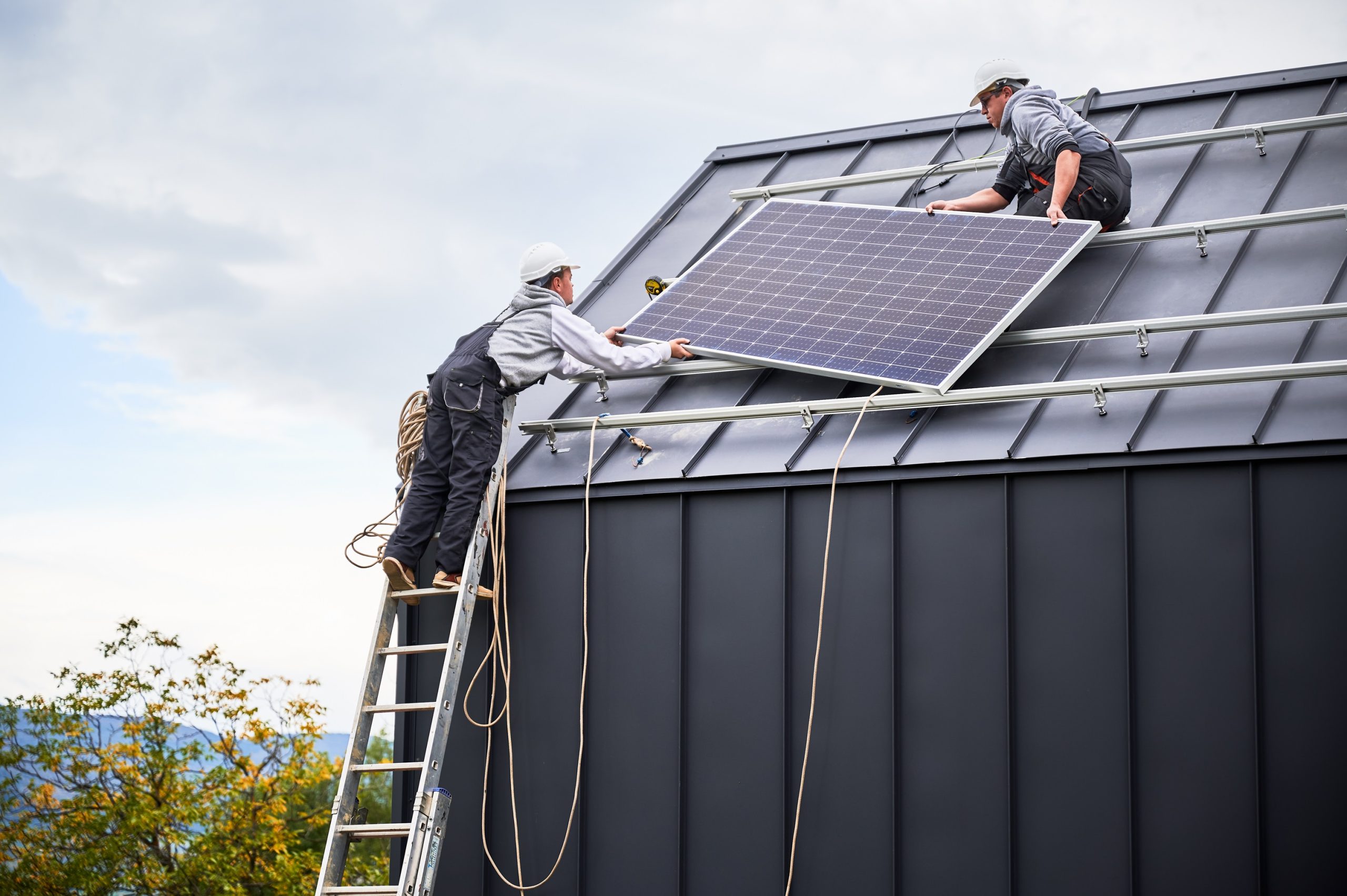
Optimising Daily Operations with Technology
To capitalise on the solar technology boom, businesses need to embrace digital solutions like the following:
Field Service Management (FSM) Software
FSM software can streamline your job scheduling, dispatch and tracking, improving efficiency and reducing costs.
It also enhances communication through built-in features such as online customer portals and automated service reminders, while also provide valuable data insights with advanced reporting tools.
CRM systems
These help businesses manage customer relationships, track leads, and improve client sentiment. Businesses often utilise field sales CRMs for targeted marketing campaigns, too, so they can deliver highly personalised experiences and secure more sales.
Remote Monitoring and Diagnostics
Investing in remote monitoring and diagnostics tools enables businesses to proactively identify and resolve potential issues, reducing downtime and improving system performance.
Data Analytics Platforms
Your business can gain valuable insights into clean energy production, consumption and system performance by utilising data analytics platforms.
Commusoft: Your Partner in Solar Success
By keeping up with emerging trends, addressing key challenges, and leveraging digital solutions, you’re able to position yourself for success in this rapidly evolving market.
Embracing innovation and prioritising customer satisfaction are essential for navigating the future of solar power. You’ll therefore need robust and efficient systems to manage your operations and streamline your workflows.
That’s where Commusoft steps in.
Our software has many comprehensive tools specifically designed to meet the needs of solar installation, maintenance, and repair companies.
Here’s how Commusoft can empower your solar technology business:
- Smart scheduling: Optimise schedules, assign engineers by skill/location, and ensure timely solar panel jobs.
- Automated communication: Keep customers updated with reminders and real-time job information, building trust and loyalty in the competitive solar technology market.
- Mobile engineer access: Give field teams job details and updates on the go with mobile workforce management software.
- Fast invoicing & payments: Simplify finances with easy invoices and secure payment processing. This protects your cash flow and lowers administrative overheads, allowing you to focus on growing your solar technology business.
- Data-driven decisions: Use analytics to track metrics and improve your business’ performance.
- Efficient inventory: Track the entire lifecycle of stock and orders to deliver a smooth service.
- Quick quoting & estimates: Win more solar installation business with professional, accurate quotes.
Book a call with our team to learn how our renewable energy software can drive success for your business!






 English (United States)
  English (UK)